
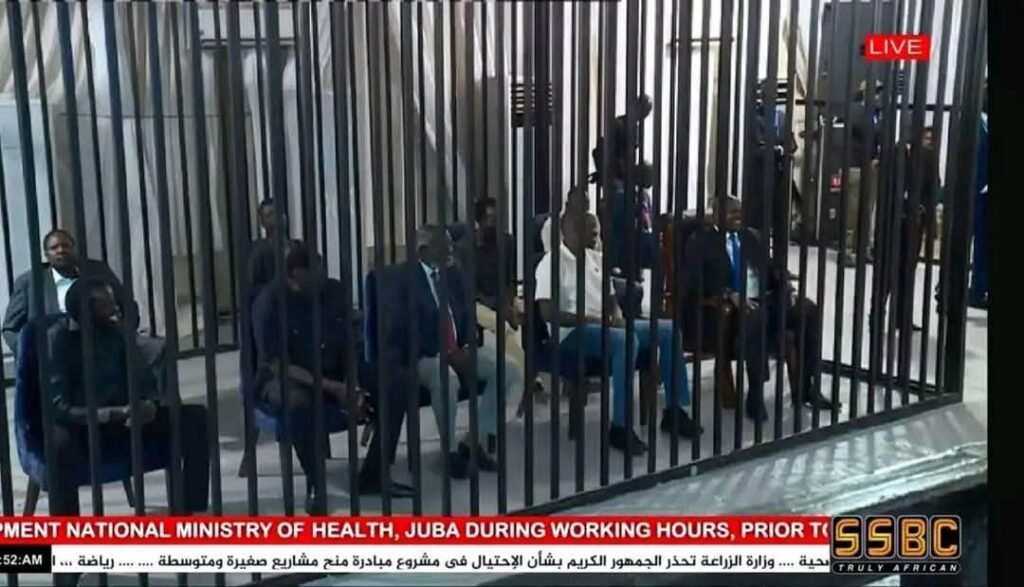
The Special Court hearing the high-profile Nasir Incident trial has temporarily suspended live media coverage, in what presiding Judge James Alala described as a necessary safeguard to preserve the integrity of witness testimonies and ensure a fair trial.
The decision was announced during Wednesday’s fifth session of the proceedings, as the court prepared to begin hearing from witnesses in a case that has gripped the nation’s attention.
Justice Alala explained that the restriction was designed to prevent outside witnesses from being influenced by live broadcasts before giving their accounts.
“If the proceedings are broadcast live, witnesses who are waiting outside may listen and be influenced before they appear in court. For this reason, filming and live recording will remain suspended until testimonies are complete,” the presiding judge ruled.
The judge assured journalists and observers that the measure was not intended to silence the media but to maintain the credibility of the trial. Court officials stressed that updates and coverage would continue to be shared with the public, albeit without live feeds.
Inside the courtroom, security was visibly tight. Mobile phones were strictly prohibited, and attendees including accredited journalists were barred from taking photographs, sending messages, or making any unauthorized recordings.
The Nasir Incident trial is among the most closely watched legal proceedings in South Sudan’s recent history, given its political sensitivity and implications for accountability in the country. Analysts have argued that how the trial is conducted will be a major test of the independence and transparency of South Sudan’s judiciary.
Speaking outside the courtroom, a civil society observer who requested anonymity welcomed the court’s caution but urged transparency:
“The public has a right to follow proceedings, but at the same time, witness protection is critical. The court must strike a balance so that truth and justice are not compromised.”
While the live coverage ban remains in effect, the court is expected to provide periodic summaries of witness testimonies to ensure the public remains informed. Journalists and civil society groups have called on the judiciary to resume full media access once witness hearings are concluded.
For now, all eyes remain on the Special Court as it navigates the delicate task of delivering justice while managing the competing demands of transparency and fairness.