


Western Equatoria State’s latest Senior Four results have revealed a widening gulf in education performance, with Ibba County emerging at the top and Mundri East and West Counties plunging to the bottom of the 2024 rankings.
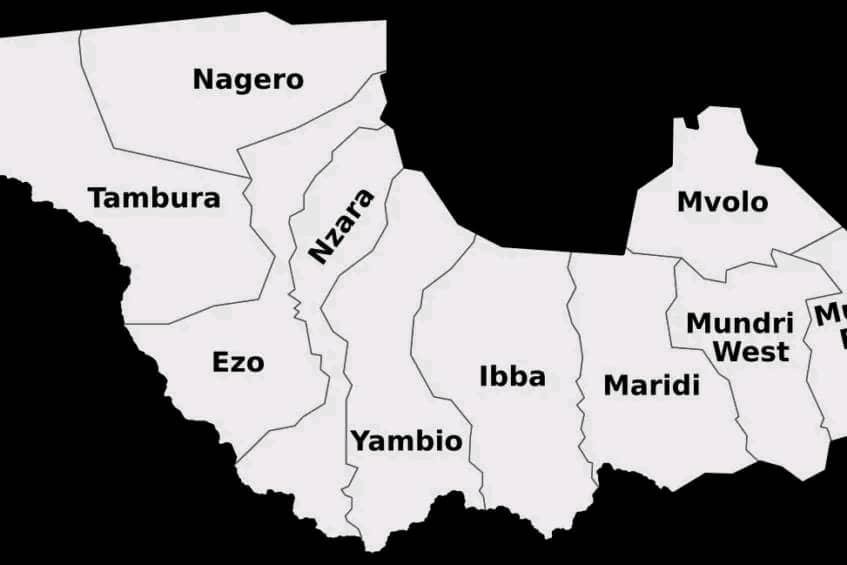
Ibba County recorded a 96.4% pass rate with 27 out of 28 students passing, while Nzara County followed closely at 93.6%, meanwhile Mvolo County secured third place at 73%. At the other extreme, Mundri East posted just 31.5%, with only 6 of its 19 candidates passing, while Mundri West managed 41.1%, as more than half of its 355 candidates failed.
Overall, Western Equatoria presented 2,147 candidates, of whom 1,268 passed and 879 failed, reflecting a 59% state pass rate.
The poor performance in Mundri East County is not new, as in 2023 senior four national examination, all 24 candidates who sat in Mundri East failed, a figure that underscores the severity of the crisis.
Again this year’s 31.5% pass rate, signals a slight improvement but leaves the county among the worst performers in the state.
Mundri West also shows a persistent decline, education analysts fear the counties risk creating a generation of young people without basic secondary qualifications.
City Review has previously linked the dismal results in Mundri to insecurity, teacher shortages, and poor motivation among educators. Parents also highlight the lack of school facilities, inadequate government support, and weak community involvement as major contributors.
“When nearly 70% of students in a county fail, this is more than numbers it’s a reflection of broken systems,” said a senior education officer based in Yambio.
A parent from Mundri West County, Grace William, expressed frustration to the City Review on Friday morning citing that.
“Our children are eager to learn, but there are no teachers, classrooms are dilapidated, and sometimes there’s no supervision at all. How can they succeed?”
While Mundri counties struggle, Ibba and Nzara have become models of excellence, with over 90% pass rates. Education officials attribute this success to community involvement, committed teachers, and effective local leadership.
“Ibba shows that with strong community support and teacher dedication, students can thrive even with limited resources. This is the path Mundri must follow,” said an official from the State Ministry of Education.
Looking at the way forward, Education stakeholders are now calling for urgent interventions in Mundri East and West Counties, including teacher deployment, targeted funding, investment in infrastructure, and scholarships for vulnerable students.
Without such measures, the counties risk falling even further behind, widening the inequality in education across the state.


