



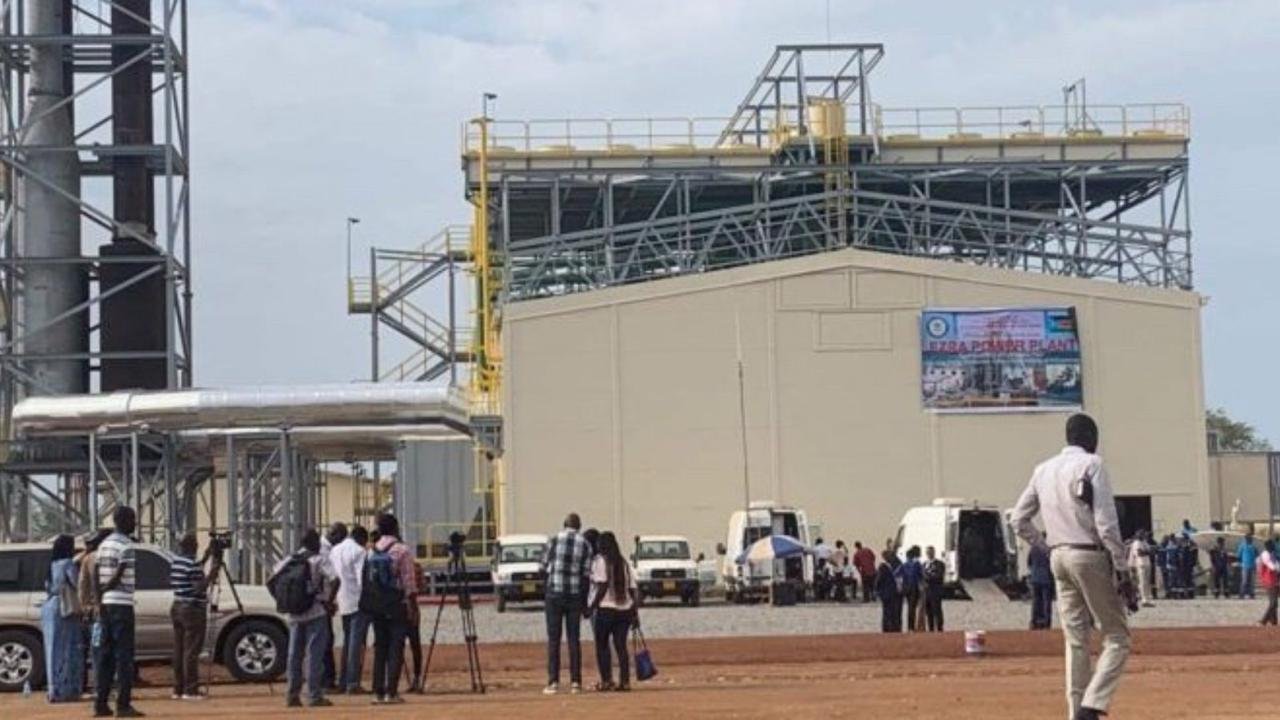
A major showdown is brewing between the Presidency and the country’s main power supplier after President Salva Kiir Mayardit’s directive to reduce electricity tariffs was flatly rejected by the Ezra Group of Companies, sparking public outrage and renewed calls for government investment in affordable power.
Last Friday, President Kiir ordered sweeping cuts to electricity costs to ease the financial burden on South Sudanese households and businesses.
The directive slashed tariffs from $0.303 to $0.273 per unit for consumption under 100 kWh, and from $0.316 to $0.285 per unit for consumption above 100 kWh. In addition, the President cancelled all monthly service charges.
But the Ezra Group, the majority stakeholder in Juba Electricity Distribution Company (JEDCO), refused to comply, insisting the order “lacks clarity” and instructing JEDCO to continue billing under existing contractual terms.
Ezra has formally written to the Ministry of Energy and the South Sudan Electricity Corporation (SSEC), demanding consultations before any changes are implemented.
The company says the move is intended to “protect investments in the energy sector,” but critics view it as open defiance of the President’s authority. The standoff leaves thousands of citizens paying the same high tariffs, despite the government’s declared relief.
Civil society is now raising alarm. Edmund Yakani, Executive Director of CEPO, condemned Ezra’s stance as unacceptable:
“My critical question is this: Who is more powerful than the President to undermine his directive? Electricity in Juba is already too expensive, suffocating businesses and blocking poor families from running small-scale enterprises. This rejection is a betrayal of the people.”
Dr. Abraham Maliet, a leading economist, also weighed in, stressing that Ezra owes the public answers:
“The Ezra Company needs to clarify why they are reluctant to implement the presidential order on reducing electricity tariffs. The President did not issue this directive arbitrarily it was based on recommendations from a technical committee established to review the matter.
There is also a historical background to consider. The initial funding for South Sudan’s electricity came from the African Development Bank, with restrictions on its use.
We believe something went wrong in the arrangements with the Chinese company, and this needs to be explained to the public so that people understand the true picture.
Currently, households are paying an additional $3 monthly fee, which raises serious questions. Families are also required to purchase their own equipment such as bulbs, wires, and meters before accessing power. This is unusual compared to standard practices in other power companies.
“If Ezra has concerns, the right course of action is to seek an audience with the President and present those reasons. Withholding compliance with a presidential order without explanation appears disrespectful. Companies are expected to first comply, and if challenges arise, they can raise their grievances later.
The lack of transparency suggests there may be deeper issues, possibly linked to financial interests. It is important that Ezra provides clarity to avoid undermining both public trust and the President’s authority.”
The dispute has exposed the fragile balance between government authority and private sector interests in South Sudan’s energy sector. Analysts warn that unless resolved quickly, the standoff could escalate into a larger debate about sovereignty, regulation, and the role of foreign investors in critical infrastructure.
For now, the people of Juba remain in the dark both literally and figuratively as they wait to see whether the Presidency or Ezra will prevail in the battle over who controls the price of power.


