


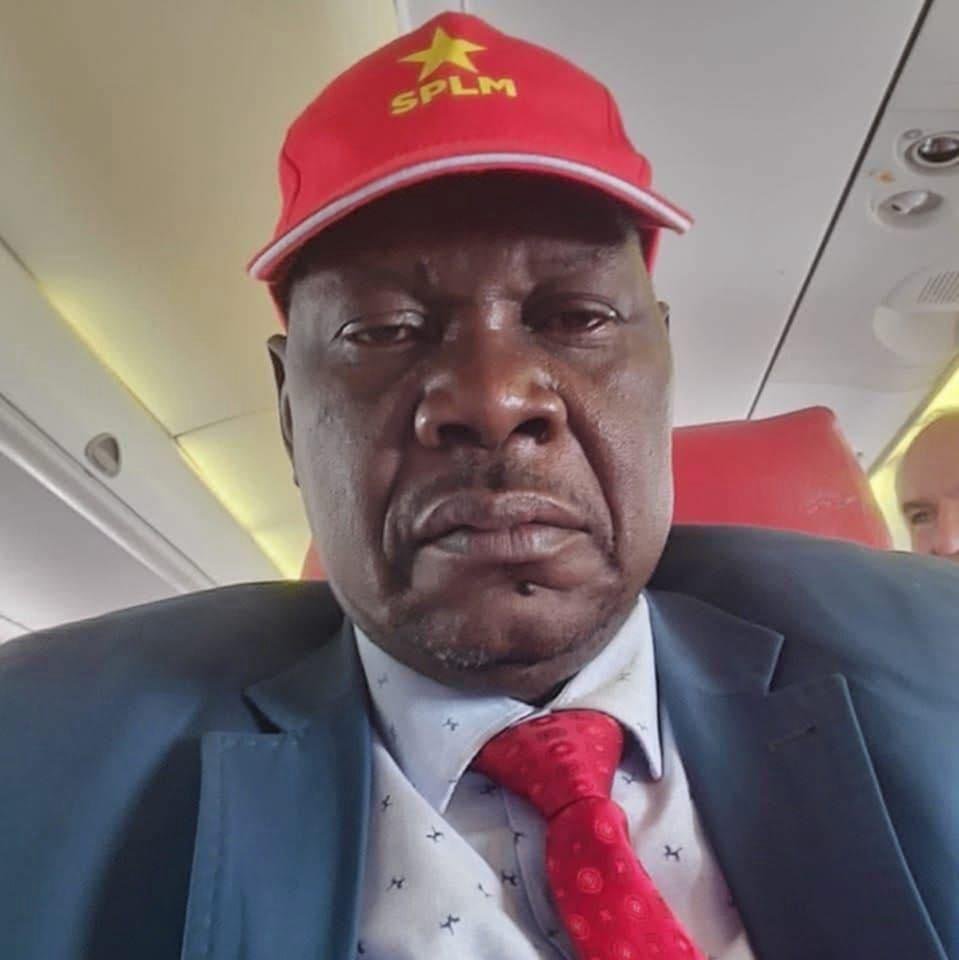
President Salva Kiir has appointed James El-Taib Berapai as the new governor of Western Equatoria State.
The President replaced SPLM-IO military commander General Alfred Futuyo Karaba in a move that is likely to trigger fresh tensions within the fragile 2018 peace deal.
The announcement was made in a presidential decree read on state-run SSBC radio and television on Thursday evening.
“I, Salva Kiir Mayardit, do hereby appoint James El-TaibBerapai as governor of Western Equatoria State. Issued under my hand and seal of the Republic of South Sudan on this 7th day of August, 2025,” the decree declared.
El-Taib, a member of the ruling Sudan People’s Liberation Movement (SPLM), officially replaces General Futuyo, who fled the state capital, Yambio, under murky circumstances earlier this year.
Futuyo’s February dismissal forced him into hiding following reports that his residence was attacked by forces from the South Sudan People’s Defense Forces (SSPDF), prompting him to seek refuge among SPLA-IO loyalists in the state.
In the interim, President Kiir elevated Deputy Governor Daniel Badagbu also from the SPLM to serve as acting governor till this latest appointment of Futuyo’s replacement.
Under the terms of the 2018 Revitalized Peace Agreement, the governorship of Western Equatoria was reserved for the SPLM-IO, while the deputy post was allocated to the SPLM.
However El-Taib’s appointment now effectively places both top leadership positions in the hands of the ruling SPLM, raising serious concerns about the integrity of the power-sharing deal.
Political analysts and observers warn that the decision could spark backlash from the SPLM-IO and undermine trust in the already strained peace process. There was no immediate comment from SPLM-IO officials by the time of publication.
Western Equatoria has been a hotspot of inter-communal violence in recent months, with United Nations reports citing continued clashes between ethnic communities. The leadership vacuum and disputed governance may further complicate efforts to stabilize the region.
As tensions simmer, stakeholders and regional peace guarantors will be closely watching the response from opposition groups, amid growing calls for recommitment to the terms of the 2018 agreement.