
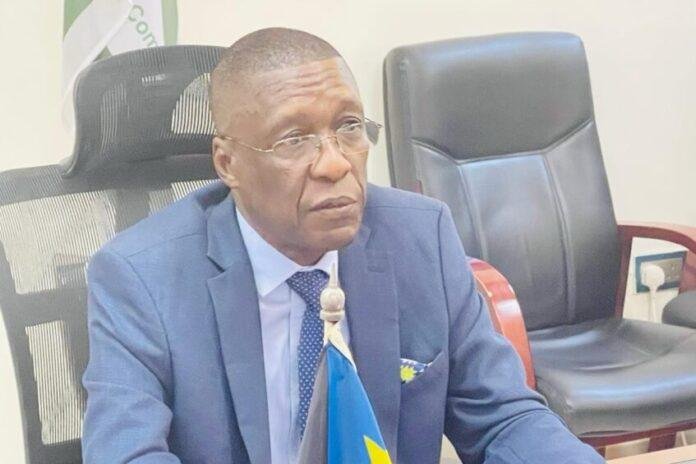
The Reconstituted Joint Monitoring and Evaluation Commission (RJMEC) has raised alarms regarding the escalating political and security crisis in South Sudan, cautioning that the peace process is at risk of total failure.
During an extraordinary plenary session in Juba, RJMEC Chair Ambassador Major General (Rtd) George Aggrey Owinow called for immediate diplomatic intervention from regional and international partners to resolve the political stalemate, enforce a ceasefire, and guide the nation towards peace and reform in preparation for the 2026 elections.
RJMEC urges all parties involved in the revitalized peace agreement, including the government and opposition, to engage in inclusive dialogue urgently.
The Commission also demands the swift release of detained Chinese nationals and a renewed commitment to the Revitalized Agreement on the Resolution of the Conflict in South Sudan (R-ARCSS), a crucial element of the 2018 peace deal.
As political leaders remain at an impasse, the humanitarian situation worsens.
Ongoing conflict and seasonal flooding have devastated health infrastructure and disrupted supply chains, increasing vulnerability across communities.
RJMEC notes that trust in the peace process is eroding.
The interim RJMEC Chair painted a grim picture of the agreement’s status, highlighting internal power struggles, unilateral decisions, and military clashes that jeopardize the ceasefire and question the parties’ commitment to the agreement.
A recent RJMEC audit indicated paralysis in key institutions, with significant breakdowns in responsibility-sharing at national and state levels affecting executive and legislative functions.
With over a year until the December 2026 elections, RJMEC stresses the need for urgent revitalization of institutions like the Joint Defence Board.
RJMEC Chair also mentioned ongoing discussions with regional leaders, including President Ismail Omar Guelleh of Djibouti and senior African Union officials, to address escalating violations and explore pathways to restore the peace process.
In an update, Honorable Minister Elia Martin Lomoro reported progress on key reforms. The Judicial Reform Committee has completed its work, and its final report awaits presidential assent.
The National Election Commission has finished over 64% of pre-election activities, with operational election institutions in six of ten states.
Despite this progress, Lomoro acknowledged challenges, such as funding shortages for post-election activities and disputes over key legal provisions.
However, he remains hopeful that with adequate political will and timely financial support, South Sudan can achieve its electoral objectives.
RJMEC warns that the nation stands at a critical crossroads.
Without coordinated actions from all stakeholders national, regional, and international the advancements made since the 2018 peace deal could be jeopardized.
As the countdown to the 2026 elections begins, RJMEC calls on all parties to recommit to dialogue, rebuild trust in institutions, and uphold the revitalized peace agreement.
The Commission emphasizes that the opportunity to secure peace and a democratic transition is still attainable with unity, focus, and political courage.