
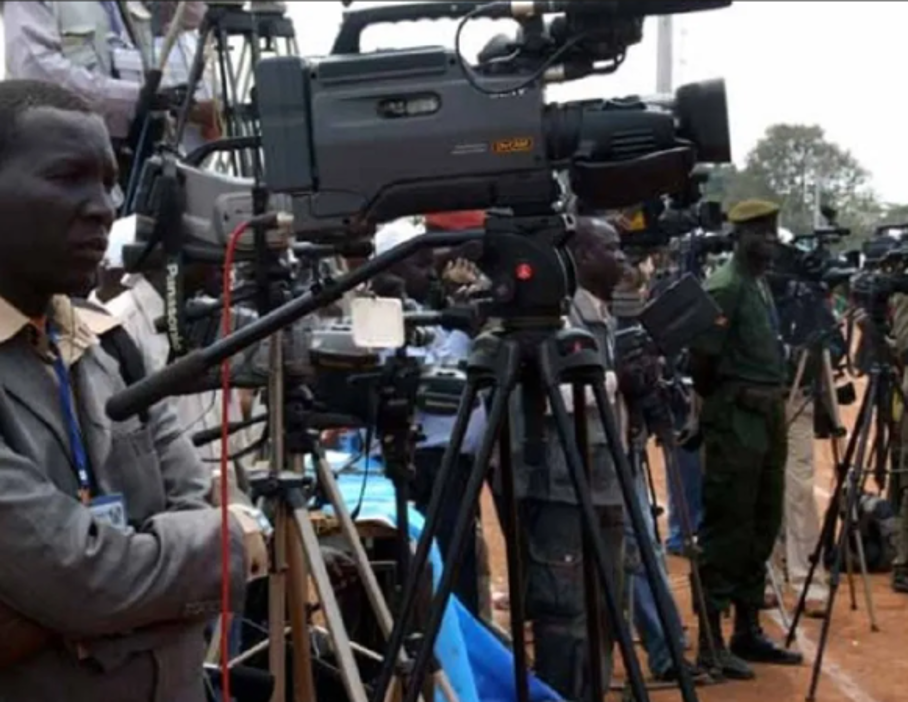
Media stakeholders in South Sudan have criticized parliament for restricting journalists from covering discussions on constitutional amendments, warning that blocking the press undermines the public’s right to access information.
Speaking to The Nile Witness, Ayaa Irene, Chairperson of the Association for Media Development in South Sudan (AMDISS), condemned the decision to prevent journalists from accessing parliamentary proceedings.
Irene called on government institutions and other actors to stop restricting the press, saying journalists should be allowed to perform their role of informing the public, particularly on matters of national importance such as constitutional reforms and elections.
“We call on all actors to cease blocking the press from doing its work,” Irene said, stressing the importance of an open media environment in strengthening transparency and accountability.
Oyet Patrick, President of the Union of Journalists in South Sudan (UJOSS), also criticized the move and urged parliament to stop preventing journalists from covering its proceedings.
Patrick said journalists are present in parliament to inform the public about decisions and debates that affect the country.
The criticism comes after journalists and members of the public were barred from a parliamentary sitting during which lawmakers discussed and passed Constitutional Amendment Bill No. 13.
The restrictions have raised concerns among media advocates about transparency and access to information as South Sudan prepares for planned elections in December.
Media organizations say allowing journalists to freely cover parliamentary proceedings is essential to ensuring that citizens can follow important national debates and hold public institutions accountable.