
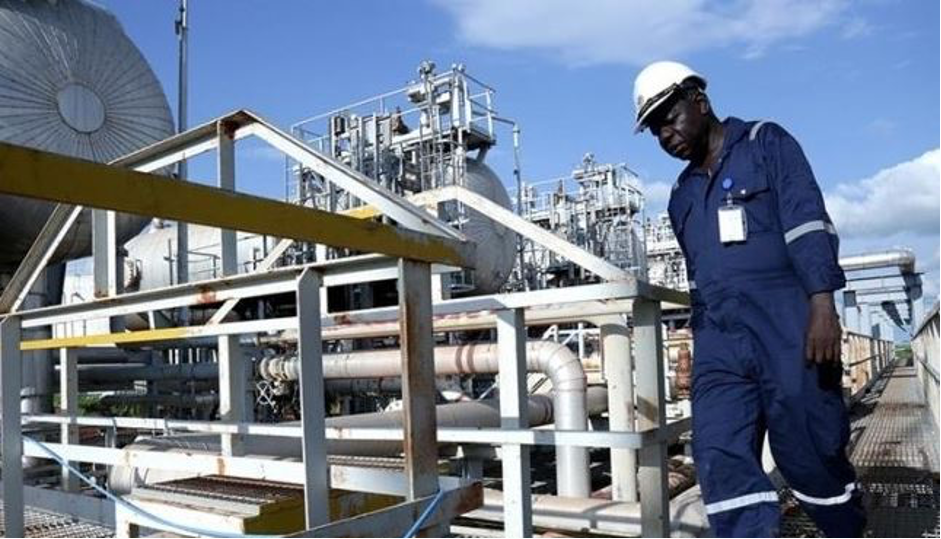
The South Sudan government has announced plans to urgently construct two new oil refineries in a move aimed at increasing local fuel production and reducing prices for consumers.
Santino Ayuel Longar, Undersecretary at the Ministry of Petroleum, said the government is working to accelerate the construction of refineries as part of efforts to reduce the country’s dependence on imported fuel.
Speaking to the media, Ayuel said a company known as SPEC is preparing to transport equipment and construction materials needed for the refinery project.
“Our priority is to urgently establish refineries in South Sudan so that we can produce fuel locally, reduce our dependence on imports and make fuel more affordable for our people,” Ayuel said.
According to the Undersecretary, the government plans to construct two refineries in Unity and Upper Nile states, both of which are major oil-producing areas in the country.
The proposed facilities are expected to increase South Sudan’s capacity to process crude oil locally and supply the domestic market with refined petroleum products.
South Sudan has significant oil reserves and relies heavily on petroleum revenues to support its economy. However, despite being an oil-producing country, it continues to depend on imported refined fuel to meet much of its domestic demand.
The government believes that increasing local refining capacity could help address this imbalance and reduce the costs associated with importing fuel.
High fuel prices have a direct impact on transportation and the prices of goods and services across the country. Transport operators often pass increased fuel costs on to passengers and businesses, while traders may also increase the prices of commodities to cover higher transportation expenses.
The planned refineries could therefore have a wider economic impact if they succeed in improving fuel availability and lowering costs.
The projects are also expected to contribute to economic activity in the oil-producing states through construction jobs and opportunities for local businesses involved in transport, logistics, engineering and other services.
However, the government will need to overcome several challenges, including financing, infrastructure, transportation and ensuring a consistent supply of crude oil to the facilities.
For now, Ayuel says preparations are underway, with SPEC expected to begin transporting materials for construction.
The government hopes the projects will help South Sudan make greater use of its oil resources domestically while improving energy security and easing the pressure of high fuel prices on citizens.
If completed successfully, the two refineries could mark an important step toward strengthening South Sudan’s petroleum sector and reducing its reliance on imported fuel.