


The South Sudanese government has rejected what it considers growing attempts by foreign governments to influence its internal political affairs, while reaffirming its intention to proceed with national elections in December.
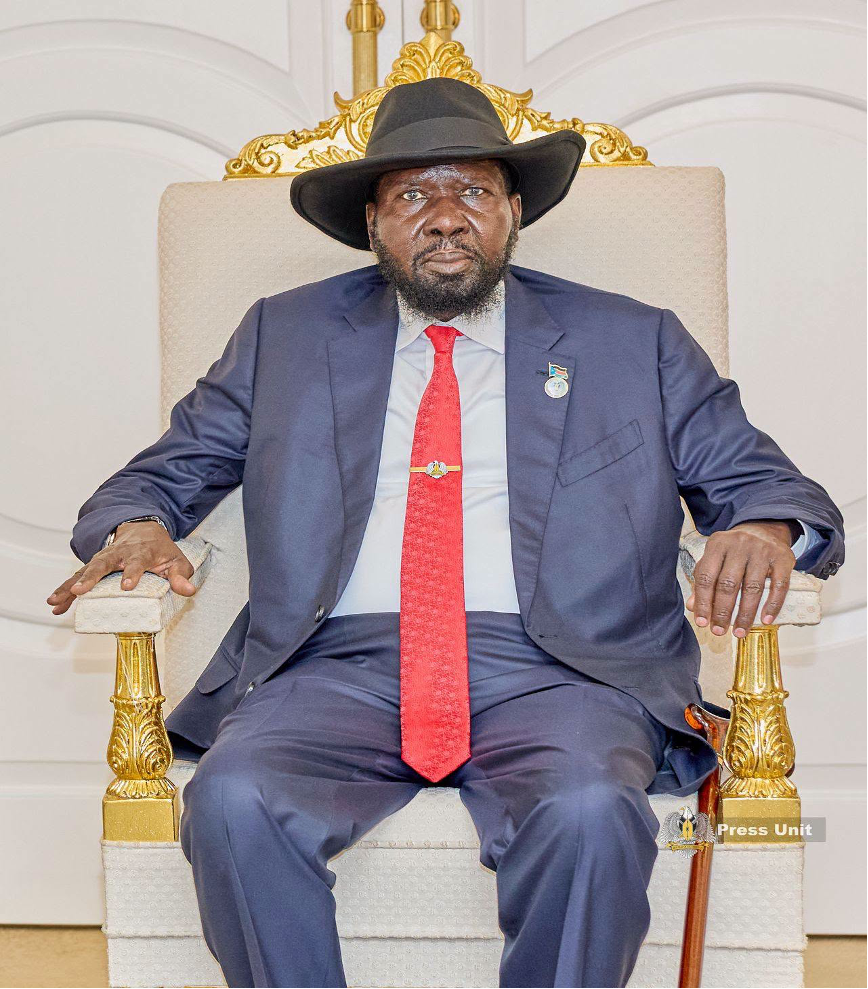
The position was outlined by the Office of President Salva Kiir Mayardit, which said South Sudan remains willing to work with international partners but will not accept external direction on matters it considers the responsibility of its own citizens and institutions.
“Partnership does not mean accepting directives from other countries,” the statement read in part.
The presidency said countries including the United States, Japan, Norway, Germany, the United Kingdom and Canada have played an important role in supporting peace, development and stability in South Sudan.
However, it stressed that international assistance should not be confused with authority over the country’s political decisions.
“South Sudan welcomes the continued interest and support of international partners; including the United States, Japan, Norway, Germany, the United Kingdom and Canada in strengthening peace, stability and development” the statement read.
The government said cooperation should be based on respect for South Sudan’s sovereignty, with foreign partners providing technical, financial and other forms of assistance without determining the country’s political choices.
At the centre of the government’s position is the planned transition from the current transitional government to an elected administration.
“South Sudan is a sovereign nation, and its political decisions belong to its people and institutions. International support for the peace process must therefore be grounded in respect for South Sudan’s sovereignty and its right to determine its own political future” it read
South Sudan’s National Elections Commission has set 22 December 2026 as the date for the country’s general elections. The government has continued to defend the December timetable despite concerns from opposition groups and international partners over whether sufficient political, security and institutional conditions exist for a credible vote.
According to the government, South Sudan has made progress since the agreement was reached, including the creation of transitional institutions and political compromises among the parties.
It said outstanding disagreements should be handled through political dialogue and negotiation instead of being used to portray the peace process as having failed completely.
The government presented elections as the eventual means through which South Sudanese citizens can exercise their political rights and determine who should govern the country.
The government’s latest position comes against the backdrop of disagreement with international partners over changes made to the 2018 peace agreement.
In July, the European Union and the embassies of Canada, France, Germany, Japan, the Netherlands, Norway, Switzerland, the United Kingdom and the United States expressed concern over amendments passed by South Sudan’s transitional legislature.
The partners argued that changes to the peace agreement should involve all its signatories and follow the procedures established by the agreement. They also reaffirmed that the 2018 accord remains the foundation for the legitimacy of the transitional government.
Juba, however, has maintained that changes to national laws and institutions must ultimately be driven by South Sudanese authorities.
Sovereignty placed at centre of reforms
The presidency also said reforms affecting the constitution, judiciary, security sector and economy should be led by national institutions.
International partners, according to the government, can continue to offer expertise and financial support, but their involvement should strengthen South Sudanese institutions rather than substitute for them.
By placing elections at the centre of its latest message, the presidency is presenting the December vote as an important step toward ending years of transitional governance.
The government says the ultimate objective of the peace process should be to establish conditions that allow citizens to choose their leaders through a democratic process.


