
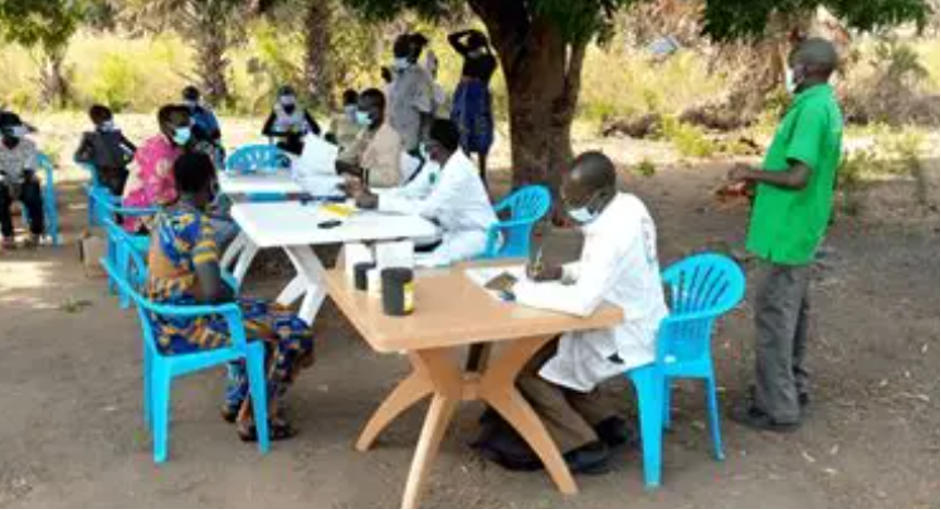
Only 17 of Terekeka County’s 44 health facilities remain operational after funding shortages forced 27 facilities to close, severely limiting access to primary healthcare across the county.
Health authorities say the closures have disrupted essential medical services and left many communities, particularly those in remote areas, without nearby healthcare facilities.
The funding crisis has affected the availability of essential medicines, medical supplies and equipment, while also disrupting support for health workers. County officials say these challenges have made it increasingly difficult for the remaining facilities to meet the healthcare needs of the population.
Terekeka County Medical Director Pitia Peter Philip is calling on the National Ministry of Health and development partners to urgently restore funding and prevent further disruption to health services.
“The situation is very serious because most of our health facilities are no longer functioning. We urgently need support to restore these services and ensure that our communities can access basic healthcare,” Philip said.
The closure of more than half of the county’s health facilities has placed additional pressure on the 17 centers that remain open. These facilities are now expected to serve communities that previously depended on the closed centers, potentially increasing patient numbers while resources remain limited.
Residents in areas affected by the closures may also have to travel longer distances to seek treatment. For people living in remote communities, transportation costs and poor road conditions can make accessing medical care particularly difficult.
Health officials are concerned that prolonged disruptions could affect a range of essential services, including treatment of common illnesses, maternal and child healthcare, immunization, disease prevention and health education.
Pregnant women, children and other vulnerable groups could face increased risks if they are unable to reach healthcare facilities in time.
Philip said restoring funding would allow closed facilities to resume operations, replenish stocks of essential medicines and medical supplies, and provide the necessary support for health workers.
He urged the National Ministry of Health, humanitarian organizations and development partners to work with county authorities to address the funding gap and restore services as quickly as possible.
The situation highlights the continuing challenges facing South Sudan’s healthcare system, where many communities rely on a combination of government and partner support to access basic medical services.
For Terekeka residents, county officials say urgent intervention is needed to prevent further deterioration and ensure that essential healthcare remains accessible to communities across the county.