
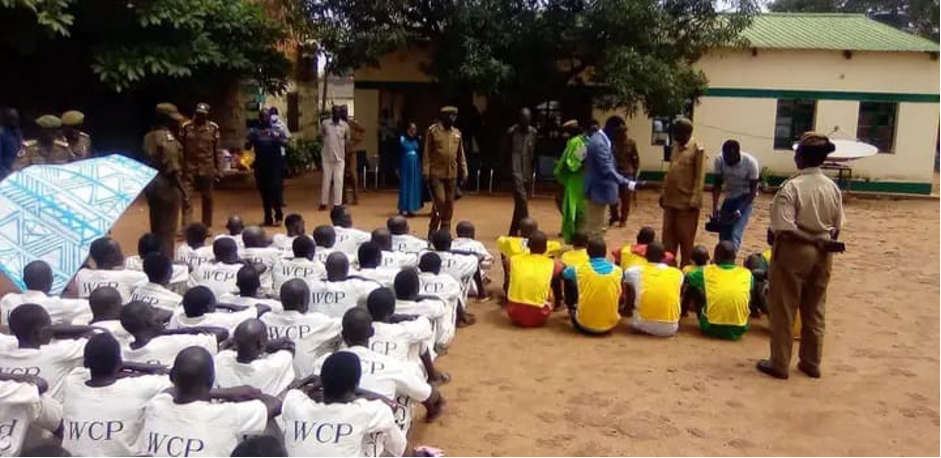
At Wau Central Prison, the challenge facing inmates is no longer simply a lack of space. Prison authorities say a combination of inadequate medicines, failing sanitation and insecurity affecting food production is putting growing pressure on the facility.
The warning came during a medical outreach by United Nations Mission in South Sudan (UNMISS) medical personnel at the prison, where authorities say the number of inmates has far exceeded the facility’s intended capacity.
Prison director Maj. Gen. George Gabriel Gilo said the prison was built for about 250 inmates but now holds more than 1,000.
Yet Gilo identified the shortage of medicines—not staffing—as one of the most immediate obstacles to caring for the prison population.
“We have a health care unit inside the prison with full staff, but the problem is drugs,” he told Radio Miraya.
The shortage is particularly worrying during the rainy season, when malaria becomes a heightened threat.
But inside the prison, health risks extend beyond illness and treatment. Gilo described the overflowing sewage system as “inhumane,” pointing to sanitation as another major concern for inmates living in an already overcrowded environment.
The health problems are also linked to a separate challenge outside the prison walls: insecurity.
Wau Central Prison relies partly on agricultural activities to supplement food for inmates. Its farmland near Turmajok, along the road to Marial Baai, has the potential to produce substantially more food, according to Gilo.
Security concerns, however, are restricting who can reach the farms.
Authorities are reluctant to transport large groups of inmates because of fears of attacks and possible escapes. As a result, only prisoners from nearby areas are currently able to participate in farming.
Gilo said the prison’s agricultural programme was once more productive and could eventually provide enough food for inmates if security conditions improve.
The problems therefore stretch across the prison’s entire support system: medicines are scarce, sewage is overflowing and insecurity is limiting food production.
For authorities, improving conditions at Wau Central Prison may require more than expanding the facility. It will also mean restoring basic sanitation, ensuring a reliable supply of medicines and creating enough security for inmates to participate safely in agricultural activities.
With more than four times the prison’s intended population now behind its walls, those pressures are becoming increasingly difficult to manage.End Inmates in worsening health situation in Wau, says Director
Authorities at Wau Central Prison have raised concerns over worsening health conditions for inmates, citing severe overcrowding, overflowing sewage and a shortage of medicines.
The concerns were raised during a medical outreach campaign conducted by UNMISS medical personnel at the prison.
According to prison director Maj. Gen. George Gabriel Gilo, the facility was built to hold 250 inmates but is currently housing more than 1,000.
“We have a health care unit inside the prison with full staff, but the problem is drugs,” Gilo told Radio Miraya. He said inmates are particularly vulnerable to malaria during the rainy season and described the overflowing sewage system as “inhumane.”
Separately, the prison director said insecurity in parts of Western Bahr el Ghazal is disrupting prison farming activities that help provide food for inmates.
He said authorities are unable to transport large groups of inmates to farms because of security concerns, including the risk of attacks or escapes.
The prison operates farmland near Turmajok on the road to Marial Baai, but Gilo said only inmates from nearby areas can currently work there. He added that the prison was previously more productive and could eventually produce enough food for its inmates if security improves.