
South Sudan’s drug regulator is tightening its grip on pharmacies and health facilities following the discovery of two unregistered medicines circulating in the country.
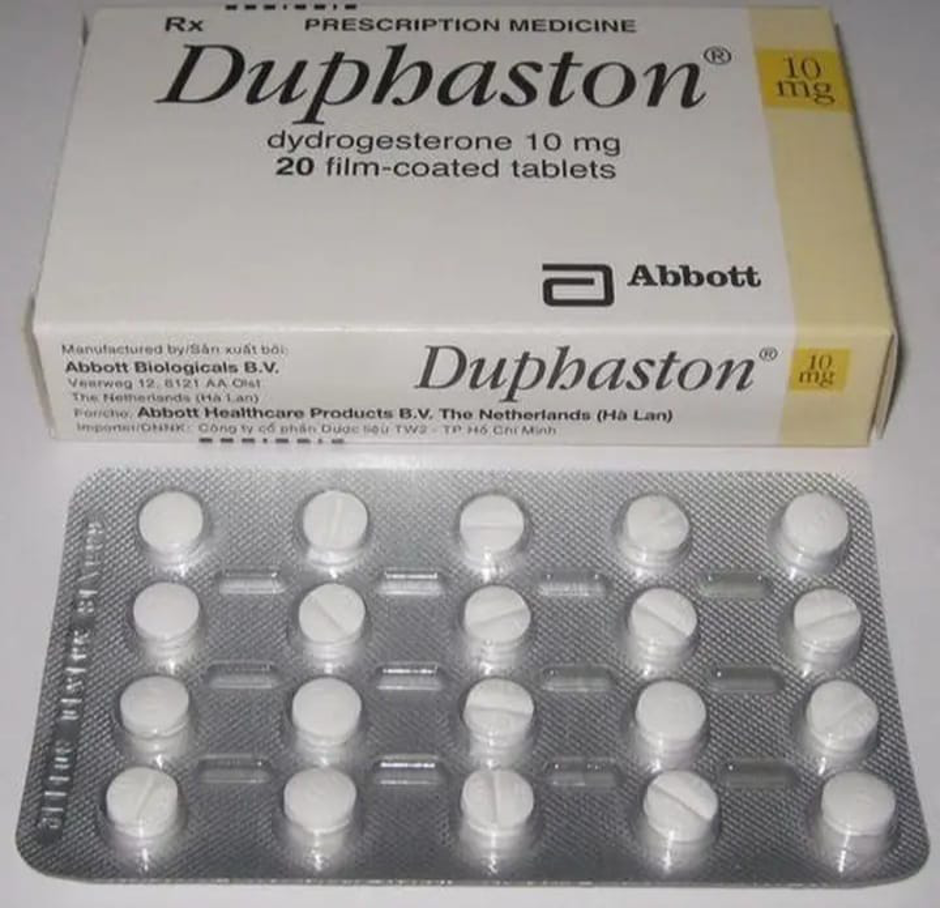
The Drug and Food Control Authority (DFCA) has directed pharmacies and health facilities to remove and surrender Duphaston and Navidoxine, saying the medicines entered the country through unauthorised channels.
The regulator says the recall applies broadly because there is no approved batch that can be singled out for removal. The medicines were brought into South Sudan without the required regulatory clearance, according to DFCA Director General for Inspection and Surveillance, Dr Peter Aguek Kon.
Aguek warned that the enforcement action could have serious consequences for outlets that continue to stock or sell the medicines.
“We are going to go to each pharmacy, and if we find them, the pharmacy has to be closed because they are against the law,” he said.
DFCA inspectors are expected to begin visiting pharmacies and health facilities as the authority seeks to identify and remove the medicines from circulation.
The regulator is also turning to the public for information, asking people who have obtained either medicine to report where they bought or received it. The information is expected to help authorities trace the supply chain behind the unauthorised imports.
Duphaston is used for a range of reproductive health conditions, while Navidoxine is commonly used to control severe nausea and vomiting associated with pregnancy.
The authority has not identified a particular manufacturing defect or confirmed that the medicines are contaminated. Its immediate concern, according to the recall order, is that the products are circulating without South Sudan’s required registration and approval.
The action puts pharmacies and health facilities on notice that DFCA intends to pursue unauthorised medicines at the point of sale and distribution, rather than limiting the recall to a particular batch.